AI Safety Enters the Trump-Xi Agenda
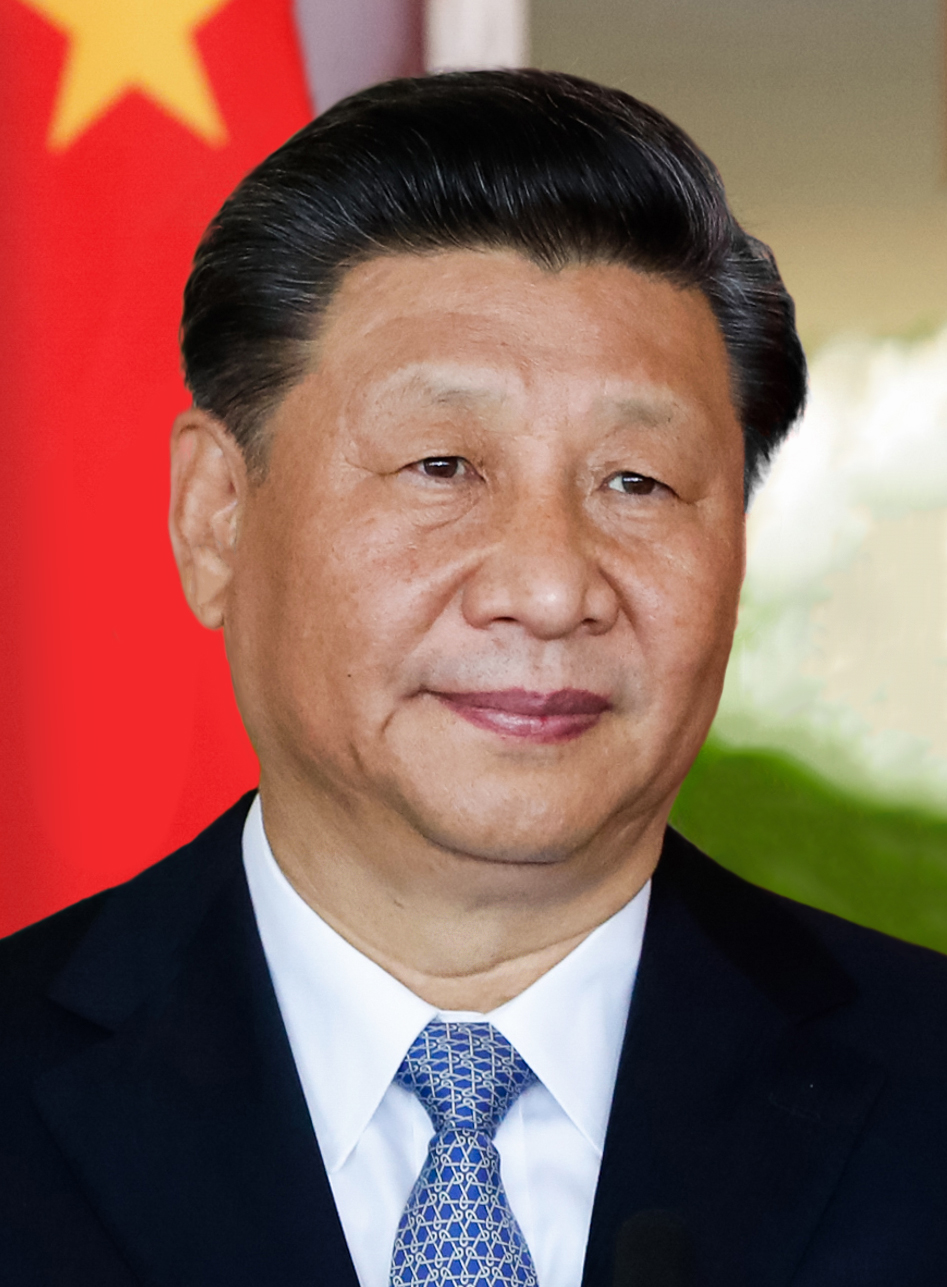 Photo: N43 and Hermes AI
With a Trump-Xi summit approaching and AI safety on the agenda, what is actually being negotiated — and how would anyone verify an agreement?
Source video: What to expect from upcoming Trump-Xi summit amid AI safety concerns · CBS News · approximately 57,830 views observed via yt-dlp on September 23, 2026. Independently researched by N43 and Hermes.
1 Why AI landed on the summit agenda
The Atlantic's September 2026 reporting places AI safety alongside trade and Taiwan on the upcoming Trump-Xi summit agenda. Two adversaries discussing shared AI risk at leader level is itself the development. The context, per Wikipedia, is a relationship both deeply intertwined and marked by persistent disputes over economic policy, Taiwan, and the South China Sea, the two nations together producing roughly 44 percent of global GDP. AI sits on both sides of that ledger: the sharpest axis of competition and a candidate area for coordination.
2 The competition track
Competition is the demonstrated track. Both governments treat frontier AI as a strategic asset — the United States restricting advanced chip exports, China pursuing self-sufficiency as state policy. Each side's dominance effort constrains its willingness to accept verifiable limits, because any regime exposing capabilities exposes competitive position. The core problem: both share an interest in avoiding catastrophic outcomes while holding an opposing interest in knowing who is ahead.
3 What verification would actually require
Any announced AI safety understanding would need a mechanism confirming neither side trains or deploys systems beyond agreed limits. AI capability lives in weights and clusters that can be moved or concealed — hardware is observable, model behavior is not. Verification tends toward the observable periphery: compute clusters, chip flows, incident notification, and red-line commitments such as no AI control of nuclear weapons. None of this exists bilaterally today; these are shapes a deal could take, not measures either government has adopted.
4 Where cooperation is plausible
According to the summit reporting, the plausible cooperation surface is narrow: safety research exchanges, incident notification norms, commitments against AI in nuclear command and control, and shared evaluation standards. These require the least mutual transparency about capability and cost the least competitively.
5 Announced outcomes versus expectations
Summit outcomes come in tiers of firmness. Readouts and joint statements are announcements, not binding law; memoranda of understanding signal intent but typically lack enforcement teeth; binding agreements require ratification and implementing machinery that does not exist for U.S.-China AI issues. Judging the summit means asking which tier any AI language lands in — a sentence in a readout is a starting point, not a verified constraint.
6 What to watch
Concrete indicators: whether AI appears in the summit readout, whether safety language names specific commitments like incident notification, and whether follow-up working groups are announced with timelines. Absent those, AI safety remains agenda symbolism — present in pre-summit coverage, unverifiable in practice.
7 Bottom line
AI safety has entered the Trump-Xi agenda because the world's two largest economies cannot manage frontier AI risk unilaterally, yet cannot verify each other's restraint. The summit's meaning will be decided by the tier of its announced outcomes — and by whether either side proposes anything an outside party could actually check.
By N43 and Hermes AI for DutyStation News.


